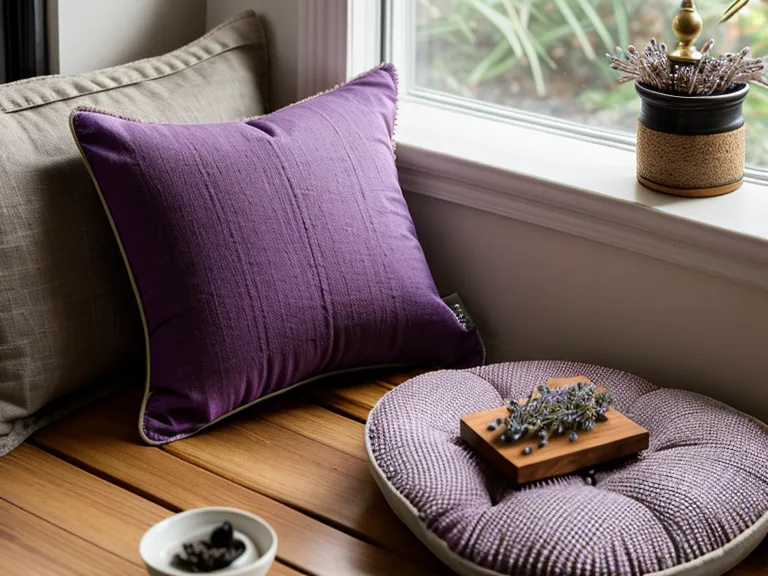
One version of grounding asks you to sit still until your thoughts stop moving. The other asks you to get your hands into soil, or a weighted blanket over your knees, and let the thoughts do whatever they want while your body handles the actual work. I've leaned on both for freelance anxiety since my spiritual awakening upended things two years back, and they are not interchangeable — which nobody mentions when they hand you a root chakra meditation and call the whole thing grounding practice.
Here's where I've landed: when the panic is about survival — rent, an empty inbox, a client who's gone quiet — the seated version tends to make it worse. The weighted, physical version is what actually moves the needle. But there's a real case for the seated approach too, and figuring out which one to reach for on a given morning turned out to matter more than either practice by itself.
Why Does Sitting Still Make Freelance Panic Worse?
The root chakra, Muladhara in the original Sanskrit, sits at the base of the spine and governs the sense of being safe on the earth, not safe in some abstract cosmic way, just physically, literally safe. Most of what gets marketed as chakra work skips right past it and heads for the upper centers: clarity, intuition, vision. Freelancers with an anxious nervous system don't usually need more vision. They need to feel like the floor is still there.
I tried the seated route first, because it's the version everyone teaches. A timer, a meditation cushion, a fixed sit every morning before opening my laptop, the whole disciplined approach to it. My knees gave out before my mind ever settled — I spent more of each sit negotiating with my own joints than noticing my breath, and the irritation carried straight into my inbox. Grounding was supposed to calm my nervous system. Instead I'd added a new source of low-grade physical resentment to a day that already had plenty.
A friend from an online community for spiritually curious artists, Obi Nkosi, has a name for what was actually happening: over-grounding. Taking a grounding practice and running it straight into an environment that's already stagnant — a desk, a chair, something close to ten sedentary hours a day — until the practice stops helping and starts reinforcing the very stuckness it was supposed to fix. That reframing did more for me than the sitting itself ever managed.
Weight Beats Stillness for the Root Chakra
Grounding gets lumped in with everything else in the spiritual toolbox, and it's worth separating out here. This isn't shadow work, sitting with the parts of yourself you'd rather not examine. It isn't a dark night of the soul, that particular collapse and rebuild. It isn't kundalini energy moving up the spine, a soul purpose to locate, a synchronicity to log, or a higher-self conversation. It isn't a moon reading, a chart placement, or a brainwave entrainment track queued up before bed. It isn't even meditation practice in the traditional sense; that's its own skill, worth its own separate treatment. Grounding, the general kind, is a big enough topic that I've covered it elsewhere. What's here is narrower: what root chakra work specifically does for a freelancer whose income just dropped out from under her.
The shift was replacing the sit with something that actually had weight and resistance to it. A snake plant that had outgrown its pot became the test case: cold, gritty soil under my nails, the smell of damp cedar, roots pressed hard against the container. No music, no attempt to visualize anything, just friction between my hands and the dirt. That did more for my nervous system in a few minutes than a week of seated attempts ever managed, and it's the same physical logic sometimes called grounding or earthing — contact with something solid, literally, not metaphorically.
Red Light, Weight, and Other Grounding Anchors
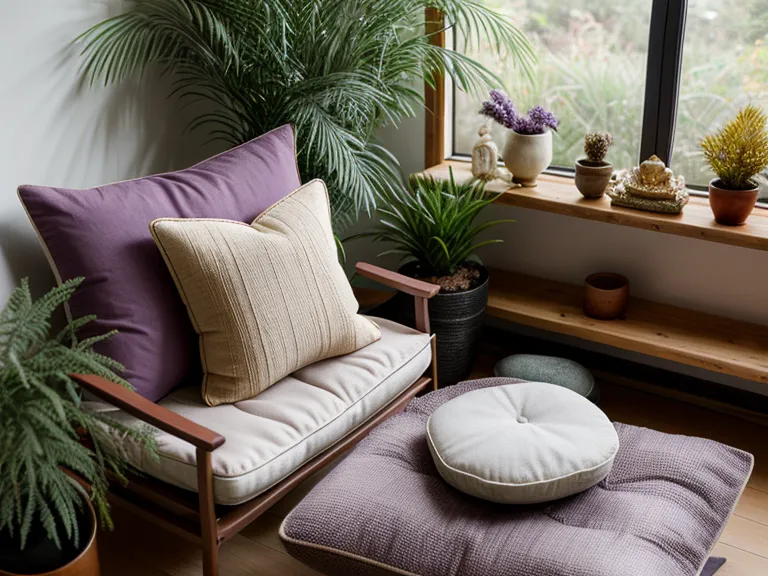
Once I noticed the pattern, I started changing the sensory environment where I actually work. Red is the color traditionally associated with the root chakra, the heaviest, densest end of the visible spectrum, so I switched my desk lamp to a red-spectrum bulb for the late-afternoon slump, the hour when panic about an empty inbox tends to peak. It sounds like a stretch until you notice the effect: something about that low, warm light seems to tell the nervous system that the hunt can wait, that there's no need to keep scanning for the next threat.
Sound did something similar. I stopped reaching for upbeat background music and switched to something slower. I've written before about why I use Solfeggio frequencies for anxiety as a sensitive artist, and the root-associated tracks in particular became a kind of sonic weight, something to keep my attention from drifting up and out of my body while I worked.
Practical Tools for the Rootless Freelancer
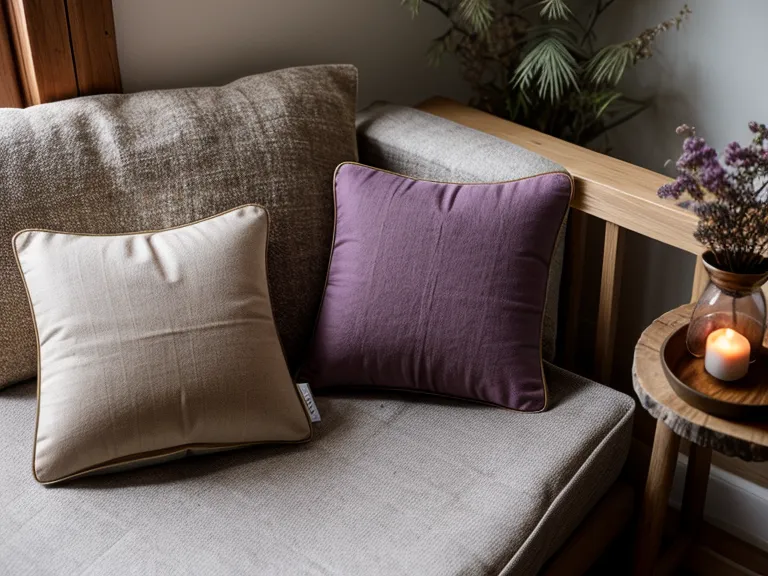
A few specific tools ended up doing most of the actual work. A weighted blanket, draped over my lap during a stressful client call, mimics the sensation of being held down, in the good sense of that phrase, and it interrupts the urge to float up into pure panic. Visualization changed too: instead of picturing white light at the crown, I'd picture a heavy, dull red glow low at the base of my spine, anchoring down into the floor like a taproot. And when a deadline made my chest go tight, I'd stand up and stomp, genuinely, feet flat, enough to feel the impact travel up through my shins. It sounds ridiculous written out. It also worked, reliably, in a way that sitting quietly never did.
There's one specific afternoon I keep coming back to. I was at the drafting table, and the light had shifted to that flat, late-day gold that moves slowly across the table's edge if you're paying attention, and I noticed I'd been sitting there a while without running invoice math in the background. No tally of what was owed, what was late, what needed chasing. Just the light, moving, and me, not doing anything about it. That's the actual marker I use now for whether the practice is working: not a mood, not a vibe, just whether the money math has gone quiet on its own.
A walk up Mount Tabor Park does something similar, on a bigger scale. The trails get soft and thick after rain, boots sinking with real resistance, and I've learned to leave my phone in my pocket instead of checking it every few minutes for a notification that isn't coming. It doesn't fix a freelance drought. It does put my body somewhere heavier than my thoughts, which turns out to be most of what I need in the middle of one.
My neighbor Bex is the most grounded person I know, and she's never done a single chakra practice in her life. We ended up close after years of sharing a stairwell, then slow Saturday mornings at the bakery downstairs, and what I notice about her is that she's always doing something with her hands, something ordinary and physical. I don't think that's a coincidence. Weight and use seem to do for the nervous system what a lot of seated technique tries and fails to do.
None of this means the seated, upward-focused practices are useless. I still use them, just not for this kind of panic. They're better suited to a different problem, the slower work of figuring out what you're actually here to make, which is what I got into more in my piece on what is a lightworker and how to balance service with art. That's a service-and-purpose question. Freelance panic about an unpaid invoice is a survival question, and survival questions want weight, not light.
Choosing Between the Two When Panic Hits
So here's the actual distinction, the one I wish someone had given me at the start instead of a generic meditation app. Reach for the seated, upward practice when the anxiety is diffuse, when you're unsettled but not in acute panic, when you have the bandwidth to sit with a thought and let it resolve on its own. Reach for the weighted, embodied version when the anxiety is sharp and physical, when your chest is tight, when you're checking your bank balance for no real reason, when your body has already decided it's under threat and no amount of thinking is going to talk it down. One works on the mind first. The other works on the body first and lets the mind catch up. For freelance panic specifically, the body usually needs to go first.
I still get the freelance shakes sometimes. The work still dries up without warning, invoices still sit unpaid longer than they should. But I've got an actual anchor now instead of a vague aspiration toward calm: a blanket, a red light, a plant that needs repotting, a park with decent mud. Weight, not vision, when survival is what's actually on the line.